

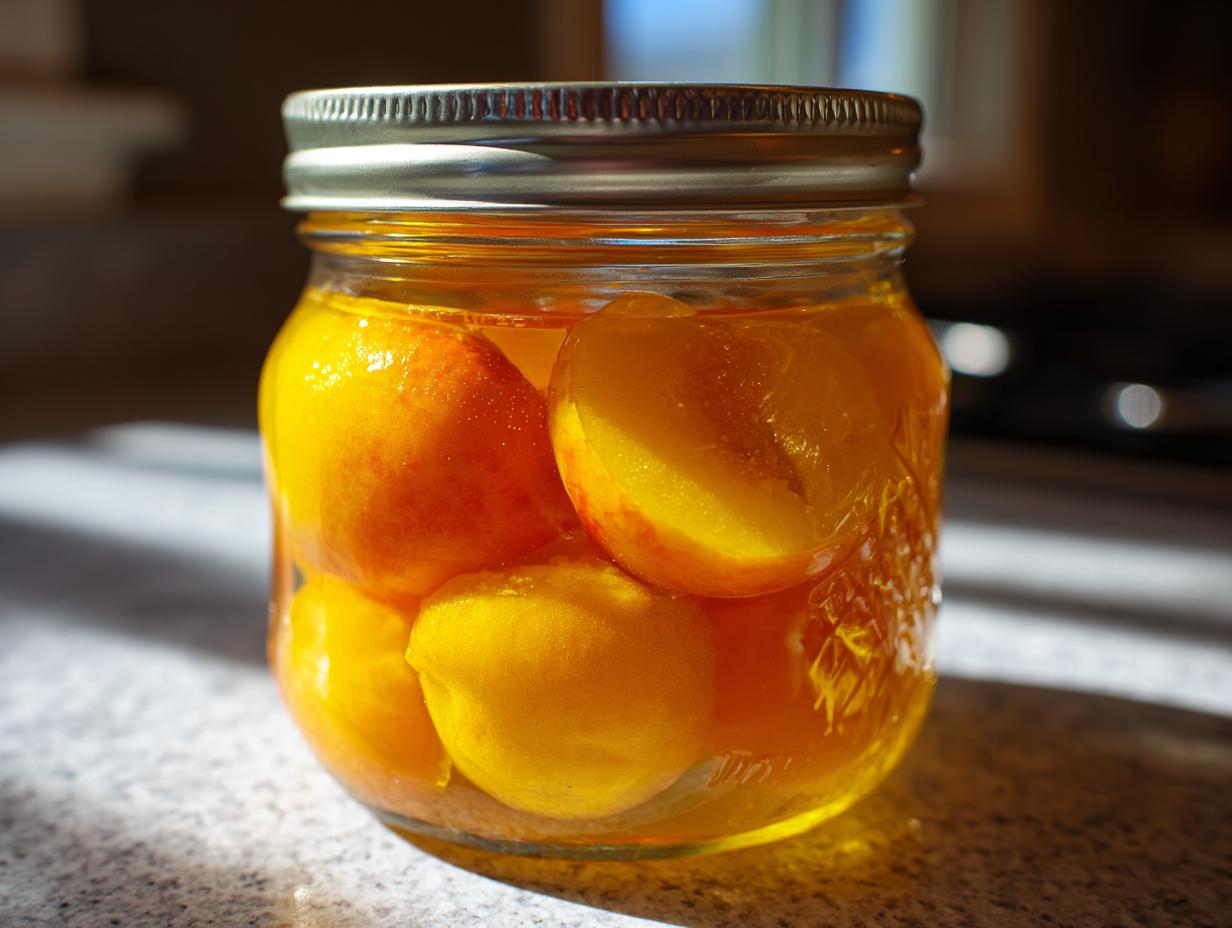
Let me tell you about my most trusted kitchen companion – the Ball Blue Book 38th Edition. This isn’t just any canning guide; it’s like having generations of wisdom right at your fingertips. I still remember my first batch of strawberry jam using its instructions – the proud moment when those jars sealed with that satisfying “ping!” What makes this book special isn’t just the recipes (though they’re fantastic), it’s how they take the guesswork out of food preservation. For over a century, home cooks like us have relied on the Ball Blue Book’s safety-tested methods. Whether you’re putting up summer peaches or making pickles, this book gives you the confidence to preserve food safely while capturing that fresh-from-the-garden flavor all year long.
Why You’ll Love Ball Blue Book 38th Edition Canning
Trust me, once you start using the Ball Blue Book 38th Edition, you’ll wonder how you ever canned without it. Here’s what makes it so special:
- Safety-tested recipes you can trust – No guessing games here! Every recipe in the Ball Blue Book has been tested to ensure your canned goods are safe to eat. I sleep better knowing my family’s food is preserved properly.
- Crystal-clear instructions – Whether you’re a first-timer or a seasoned pro, the step-by-step directions walk you through each process without any confusion. My teenage niece followed them perfectly her first try!
- Works with practically everything – From juicy summer berries to crisp fall apples, this book covers all your favorite fruits and vegetables. I’ve even used it for less common preserves like spicy pepper jellies.
- A century of canning wisdom – This isn’t some fly-by-night guide. The Ball Blue Book has been the gold standard since 1909 – that’s over 100 years of perfecting these methods!
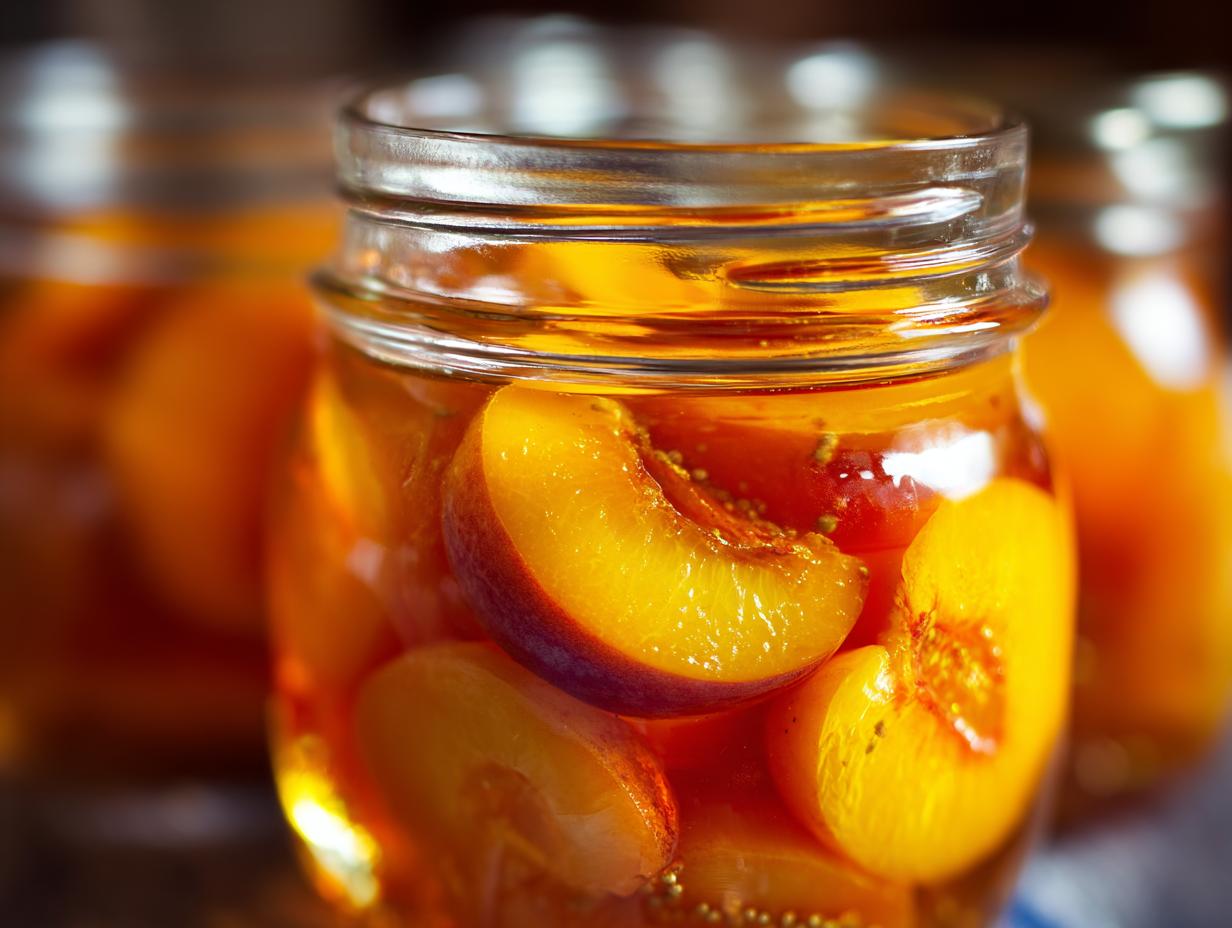
- Year-round homemade goodness – Nothing beats opening a jar of summer peaches in January. Properly canned goods last 12-18 months, letting you enjoy that fresh flavor anytime.
Seriously, this book takes all the stress out of canning while giving you delicious results every single time.
Essential Equipment for Ball Blue Book 38th Edition Recipes
Before you dive into canning with the Ball Blue Book 38th Edition, let’s talk tools! You’ll need:
- Jars & lids – Pint or quart Mason jars (Ball or Kerr brands work best) with NEW lids – never reuse those flat lids!
- Canner – A water bath canner for high-acid foods (like my grandma’s big blue speckled pot) or pressure canner for low-acid foods
- Must-have helpers – A wide-mouth funnel (trust me, this saves SO much mess), jar lifter tongs (burned fingers are no fun), and a good ladle
That’s really all you need to start – simple tools for spectacular results!
Ball Blue Book 38th Edition Ingredients & Substitutions
Here’s the thing about canning – the ingredients matter just as much as the method! The Ball Blue Book 38th Edition doesn’t mess around when it comes to measurements and prep. Let me share what I’ve learned through years of following these recipes to the letter:
Fresh produce is non-negotiable – We’re talking 5 pounds of perfectly ripe peaches (peeled and sliced), 10 pounds of crisp cucumbers (washed and trimmed), or whatever fruit/veggie you’re preserving. The book gives exact weights because guesswork can lead to unsafe acidity levels.
Sugar matters more than you think – Recipes will specify “1 cup granulated sugar (packed)” or “2 1/4 cups light brown sugar” for good reason. Sugar isn’t just for sweetness – it helps with preservation too! In a pinch, you can substitute honey cup-for-cup in most fruit recipes, but reduce the liquid elsewhere.
Acid is your safety net – When you see “1/4 cup bottled lemon juice” in a recipe, don’t skip it! The acidity prevents nasty bacteria. No lemons? White vinegar (5% acidity) works at a 1:1 ratio, though it’ll change the flavor slightly.
Salt specifics – Canning salt (without anti-caking agents) is ideal, but in a pinch, kosher salt works if you adjust the measurement (about 1 1/4 times more by volume since it’s less dense).
Remember – substitutions can be risky in canning. The Ball Blue Book only recommends swaps they’ve safety-tested. When in doubt? Stick to the recipe exactly – your future self (and your taste buds) will thank you!
Step-by-Step Ball Blue Book 38th Edition Canning Instructions
Alright, let’s walk through the magic of turning fresh produce into shelf-stable goodness! I’ve followed these steps dozens of times, and they never fail me when I stick to the Ball Blue Book’s guidance. Here’s how it works:
1. Prep your produce like a pro
Wash everything – I mean REALLY wash it – under cold running water. For peaches or tomatoes, you’ll want to blanch them first (that quick dip in boiling water makes the skins slide right off). Chop everything to uniform sizes so they process evenly. My grandma always said “neat pieces make happy jars,” and she wasn’t wrong!
2. Mix ingredients with precision
This is where the Ball Blue Book 38th Edition shines. Measure that sugar EXACTLY – I use dry measuring cups and level them off with a knife. When it says “simmer for 10 minutes,” set a timer. The syrup or brine recipes are perfectly balanced for safety and flavor, so resist the urge to wing it!
3. Fill those jars right
Sterilized jars only! I run mine through the dishwasher or boil them for 10 minutes. Use your funnel (seriously, this $3 tool saves hours of cleanup) and leave the headspace specified – usually 1/4″ to 1/2″. Wipe the rims with a clean, damp cloth – any food residue will prevent sealing. Those lids should go on fingertip-tight, not cranked down hard.
4. Process properly in the canner
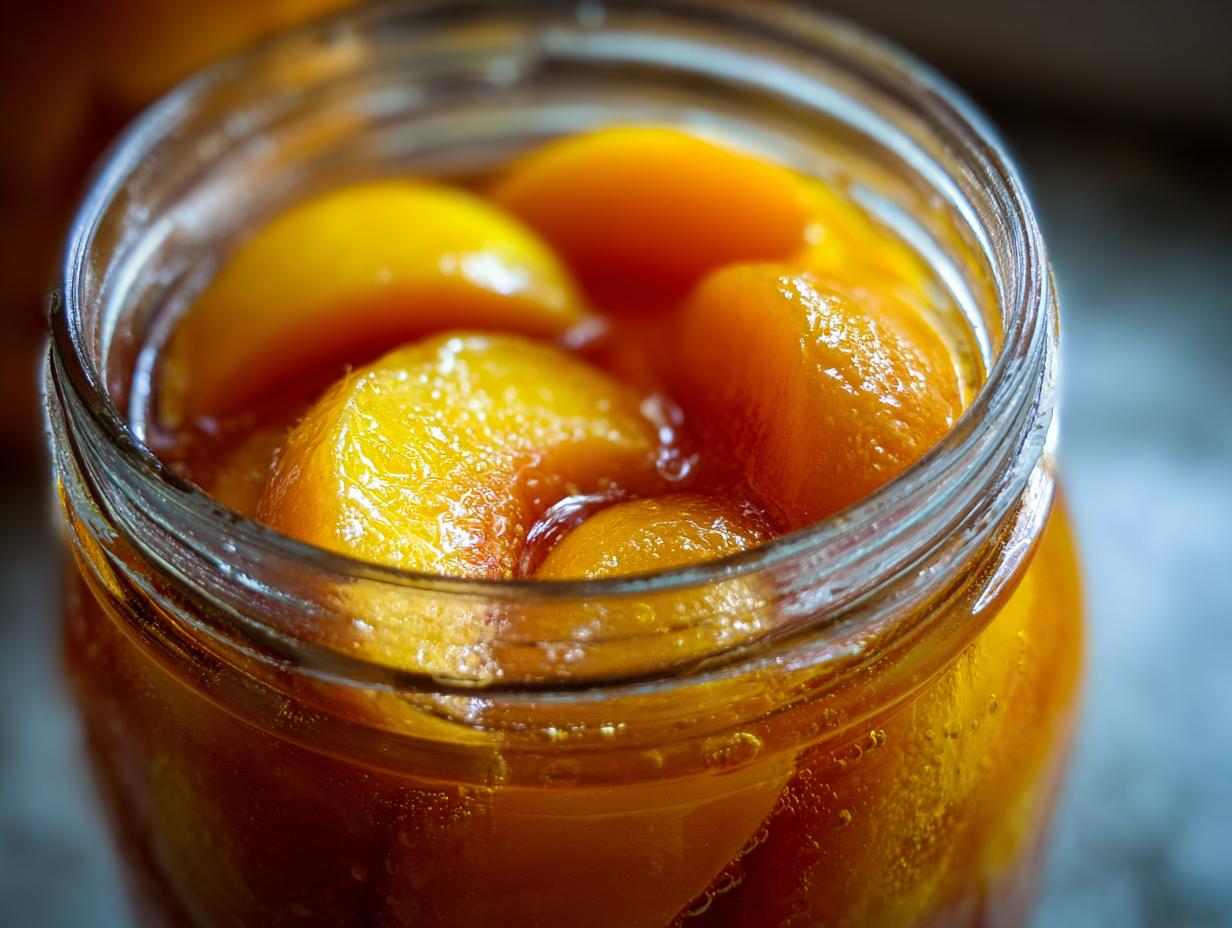
Water bath or pressure canner? The book tells you which for each recipe. For water bath canning, cover jars with 1-2″ of boiling water and process for the exact time listed – my peach halves take 25 minutes at a full rolling boil. Pressure canning? Follow the psi and timing religiously – green beans need 25 minutes at 10 psi in my area’s altitude.
5. The all-important cool down
After processing, turn off the heat and let the canner sit for 5 minutes before removing jars. Place them on a towel (not a cold counter – thermal shock can crack them!) and listen for that glorious “pop” as they seal over the next 12-24 hours. Test each seal by pressing the center – if it flexes, that jar needs refrigerating.
There you have it – the Ball Blue Book method that’s kept generations of home canners safe and successful. Take your time, follow each step, and you’ll be rewarded with perfect preserves every time!
Ball Blue Book 38th Edition Safety Tips
Listen, I know canning can seem a little intimidating at first – all those warnings about botulism and spoilage! But trust me, the Ball Blue Book 38th Edition makes it simple to stay safe if you follow these non-negotiable rules:
- Only use tested recipes from trusted sources – That means recipes straight from the Ball Blue Book or other reputable guides. No random internet recipes or great-grandma’s “this never hurt anyone” methods. Food safety standards have changed!
- Check every single seal – After cooling, press each lid’s center. If it pops up and down, that jar didn’t seal properly and needs to go in the fridge immediately. I always do this test the next morning too, just to be extra sure.
- Mind the headspace – Too little and your jars might not seal; too much and you risk spoilage. The Ball Blue Book specifies exactly how much space to leave for each recipe – usually between 1/4″ to 1/2″.
- Process for the full time – That timer isn’t a suggestion! Whether it’s 10 minutes or 90 minutes, the processing time ensures harmful bacteria are destroyed. No shortcuts here.
- Store smart – Keep your canned goods in a cool (50-70°F), dark place. My basement shelves are perfect. Avoid damp areas or spots that get too hot (like near the stove). And please – label everything with contents and date!
- When in doubt, throw it out – Strange smells, cloudy liquid, bulging lids, or spurting liquid when opened? Toss it without tasting. Not worth the risk.
These might seem strict, but they’re what keep my family safe while enjoying home-canned foods all year. The Ball Blue Book’s guidelines have worked flawlessly for me for decades – just follow them exactly, and you’ll be golden!
Serving and Storing Ball Blue Book 38th Edition Preserves
Oh, the satisfaction of opening a jar of your own preserves months later! Properly canned goods from the Ball Blue Book 38th Edition will keep beautifully for 12-18 months in a cool, dark place – my pantry stays between 50-70°F and works perfectly. Label each jar with contents and date so you know what’s what (trust me, strawberry and raspberry jam look identical after a year!). Spread them on toast, swirl into yogurt, or use in recipes. If you spot mold, off smells, or bulging lids when opening – toss it immediately. But with proper storage, you’ll enjoy that summer flavor all winter long!
Ball Blue Book 38th Edition Nutritional Information
Now let’s talk numbers – but keep in mind these are just ballpark figures! The Ball Blue Book 38th Edition recipes vary wildly nutritionally depending on what you’re preserving. My strawberry jam will have different stats than my dill pickles, obviously!
That said, here’s what you can typically expect per ½ cup serving of most fruit preserves: about 80 calories, 20g carbs (mostly from natural fruit sugars and any added sweetener), and basically 0g fat. Vegetables packed in water or vinegar? Even lighter – maybe 25 calories tops!
The beauty of home canning is you control what goes in. Want lower sugar? The Ball Blue Book has reduced-sugar options (though never skip the acid – safety first!). Making pickles? You can adjust salt levels within safe limits. Just remember – these are estimates. Your exact produce, sugar ratios, and preparation methods will affect the final numbers.
My advice? Enjoy your homemade preserves in moderation as part of a balanced diet. A tablespoon of peach jam on whole wheat toast beats store-bought any day!
FAQs About Ball Blue Book 38th Edition Canning
Over the years, I’ve gotten all sorts of questions from friends starting their canning journey with the Ball Blue Book 38th Edition. Here are the ones that come up most often:
- “Can I reuse lids?” Nope! Those flat lids are one-time-use only for safety. Rings can be reused, but always start with new flats for proper sealing.
- “How long do home-canned goods last?” Properly processed jars stay good 1-2 years for best quality, though they may be safe longer if sealed and stored correctly.
- “Do I need a pressure canner?” Only for low-acid foods like veggies and meats. High-acid fruits and pickles are fine with water bath canning – the Ball Book tells you which method each recipe needs.
- “Why bottled lemon juice?” It guarantees consistent acidity crucial for safety. Fresh lemon juice’s acidity varies too much for reliable canning.
- “Can I halve recipes?” Better not! The Ball Book’s processing times are calculated for full batches. Altering quantities could affect safety.
When in doubt? That trusty Ball Blue Book has your back with all the answers!
Share Your Ball Blue Book 38th Edition Experience
Nothing makes me happier than hearing about your canning adventures with the Ball Blue Book 38th Edition! Did your strawberry jam set up perfectly? Maybe you discovered a brilliant tweak to the peach preserves? I want to hear it all!
Drop a comment below to share:
- Which recipe you tried (and how it turned out!)
- Any clever tips you discovered along the way
- Photos of your beautiful canned creations – I live for those jewel-toned jars lined up on the counter
- Questions that came up during your canning session
This is how we keep the canning community thriving – by sharing our wins, our “oops” moments, and everything in between. Your experience could help another home cook gain confidence in their preserving journey! Check out more ideas on Pinterest.
So don’t be shy – we’d love to hear how your Ball Blue Book canning turned out. And if this is your first time? Welcome to the wonderful world of home preserving! That satisfying “pop” of a sealing lid never gets old, does it?
PrintBall Blue Book 38th Edition: 100 Years of Foolproof Canning Magic
The Ball Blue Book 38th Edition is a comprehensive guide for home food preservation, offering safe canning methods and recipes.
- Prep Time: 30 minutes
- Cook Time: 45 minutes
- Total Time: 1 hour 15 minutes
- Yield: 6 pints
- Category: Canning
- Method: Water Bath or Pressure Canning
- Cuisine: American
- Diet: Vegetarian
Ingredients
- Fresh fruits or vegetables (quantity varies by recipe)
- Granulated sugar (quantity varies by recipe)
- Bottled lemon juice (quantity varies by recipe)
- Salt (quantity varies by recipe)
- Water (quantity varies by recipe)
Instructions
- Prepare your fruits or vegetables by washing and cutting as needed.
- Follow the recipe for specific measurements of sugar, lemon juice, and salt.
- Fill sterilized jars with the prepared ingredients.
- Process jars in a water bath or pressure canner as directed.
- Store in a cool, dark place.
Notes
- Use only tested recipes for safety.
- Check jar seals before storing.
- Label jars with contents and date.
Nutrition
- Serving Size: 1/2 cup
- Calories: 80
- Sugar: 15g
- Sodium: 5mg
- Fat: 0g
- Saturated Fat: 0g
- Unsaturated Fat: 0g
- Trans Fat: 0g
- Carbohydrates: 20g
- Fiber: 2g
- Protein: 1g
- Cholesterol: 0mg